
How Common is Anesthesia Malpractice?
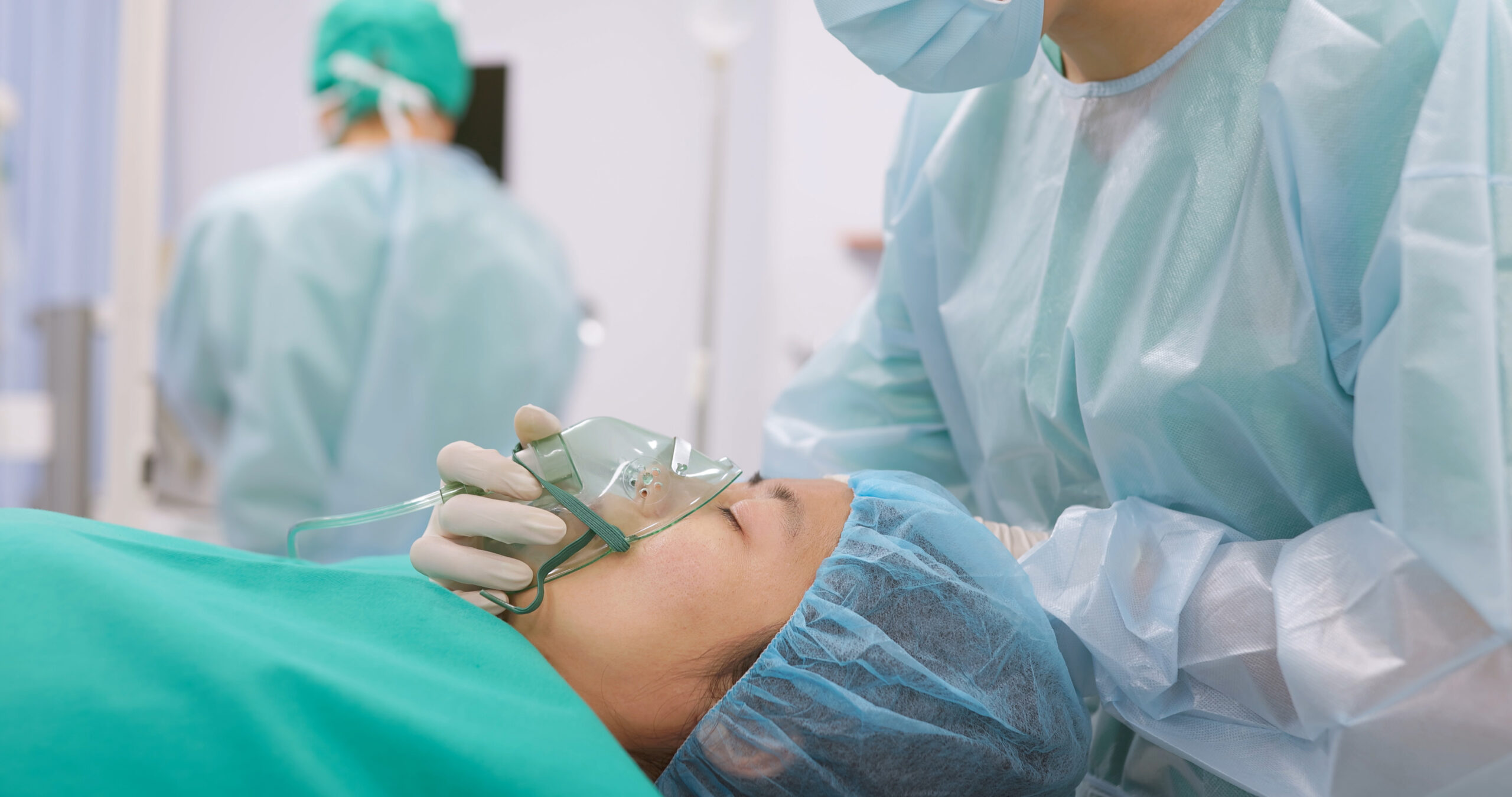
One of the greatest advances in medicine, anesthesia makes complex procedures possible and enables patients to avoid pain during surgery. However, when anesthesia isn’t properly administered, even small mistakes can cause life-altering injuries or death. At Sarno da Costa D’Aniello Maceri Webb LLC, our anesthesia error attorneys in New Jersey provide compassionate, tenacious legal representation that gets results for our clients. Led by Paul M. da Costa, our medical malpractice team has recovered substantial settlements and verdicts for victims of medical negligence. Here, we discuss the incidence of anesthesia errors and how an experienced medical malpractice lawyer can protect your rights if you’ve been harmed.
What is Anesthesia Malpractice?
When an anesthesiologist, nurse anesthetist, or another healthcare professional fails to meet the accepted standard of care when administering or monitoring anesthesia and a patient is injured, it may be considered medical malpractice.
Common Forms of Anesthesia Malpractice
Because it affects the brain, heart, and respiratory system, healthcare professionals must carefully evaluate and monitor patients before, during, and after the administration of anesthesia. Failure to take proper precautions can put a patient’s life in danger.
Some of the most common types of anesthesia errors include:
- Dosage errors – Too much anesthesia can result in life-threatening conditions such as cardiac arrest and brain damage. If too little anesthesia is administered, a patient may experience anesthesia awareness, which results in being conscious during surgery but unable to move or communicate.
- Failure to monitor vital signs – During surgery, an anesthesiologist is primarily responsible for monitoring the patient’s vital signs. This includes heart rate, blood pressure, breathing, and blood oxygen level changes. Failure to notice irregular heartbeat, drops in oxygen levels, or breathing difficulties can result in permanent injuries or death.
- Improper review of medical history – When a health care professional fails to thoroughly review and assess a patient’s medical history, preventable complications such as medication interactions can occur.
- Equipment failure – Specialized equipment is used to safely monitor the delivery of drugs into a patient’s system. If this medical equipment is defective or improperly maintained and tested, a patient may suffer life-threatening injuries or conditions.
- Intubation errors – Typically, during general anesthesia a breathing tube is placed in the airway, which is called intubation. Improper intubation can cause damage to the throat, gums, and teeth. In some cases, an improperly placed breathing tube can block the flow of oxygen and result in brain damage or death.
- Communication errors – Failing to properly inform a patient of possible risks or giving them incomplete instructions about what to do before or after a procedure can have devastating consequences. It may result in problems like aspiration, which happens when stomach contents enter the lungs. This can cause breathing difficulties, lung infection, or even death.
- Post-Anesthesia negligence – The risks of anesthesia do not end when a procedure is over. Failing to properly monitor patients is a form of post-operative negligence that may lead to complications such as respiratory distress, cardiac arrest, or stroke.
Incidence of Anesthesia Errors
Although anesthesia is safer than ever due to pharmacological and technological advances, injuries and fatalities still happen. Because they are not always reported, it’s difficult to determine exactly how often anesthesia errors occur.
According to an article published by The Southern Medical Journal (SMJ), between 2007 and 2014, a total of 17,116 anesthetic errors were reported. In 2024, a comparative analysis of closed anesthesia liability claims in free-standing Ambulatory Surgery Centers (ASCs) vs. Hospital Operating Rooms (HORs) found that 44% of claims occurred in ASCs. The most common injuries in both settings were dental injuries and nerve damage caused by improper intubation and nerve blocks. Communication issues were more prevalent in ASC claims.
Injuries and Conditions Caused by Anesthesia Malpractice
The effects of anesthesia errors range from minor to catastrophic. Some of the most common injuries and conditions related to anesthesia malpractice include:
- Brain damage due to hypoxia (lack of oxygen)
- Heart attack or stroke
- Dental injuries
- Nerve damage
- Respiratory failure
- Anesthesia awareness, which can lead to PTSD, anxiety, and depression
- Coma
- Paralysis
These injuries can be physically and emotionally devastating for victims and their families. The cost of long-term medical care and being unable to work can have serious financial consequences as well. If you’ve lost a loved one due to a medical error, our anesthesia malpractice lawyers can investigate your case and determine whether a wrongful death claim may be a viable option to help your family hold responsible parties accountable.
How a New Jersey Medical Malpractice Attorney Can Help
Proving anesthesia malpractice requires a deep understanding of complex medical evidence and malpractice law. Our anesthesia malpractice attorneys have the resources, knowledge, and experience it takes to prove medical negligence. We work closely with respected experts to demonstrate how an anesthesiologist or surgical team failed in their duty of care and how their carelessness has impacted a patient’s health and quality of life.
Paul and his medical malpractice team have built a strong reputation for diligence, tenacity, and compassion with our clients and the New Jersey legal community. We’re dedicated to holding negligent medical professionals accountable and fighting for the rights of patients who have been harmed.
We Only Get Paid If You Win
Our medical malpractice attorneys know that the financial stress of being injured by an anesthesia error can be overwhelming. That’s why our personal injury lawyers take cases on a contingency fee basis. This means you pay nothing up front, and we only get paid if we make a recovery for you. Legal fees are deducted from any medical malpractice settlement or award you receive. We handle all aspects of your case so you can focus on healing while we fight for the justice and compensation you deserve.
Contact an Experienced Anesthesia Error Lawyer Near You in New Jersey
If you’ve been a victim of medical negligence, our experienced anesthesia malpractice lawyers At Sarno da Costa D’Aniello Maceri Webb LLC are ready to stand by your side every step of the way. To schedule a free, no-obligation consultation with Paul M. da Costa, contact us or call 973-274-5200. Our medical malpractice attorneys serve clients in several convenient locations near you in New Jersey, including Roseland, Bridgewater, Hackensack, Morristown, and Eatontown, NJ.